Isotonic Iv Fluids, Packaging Size: 1000 ml
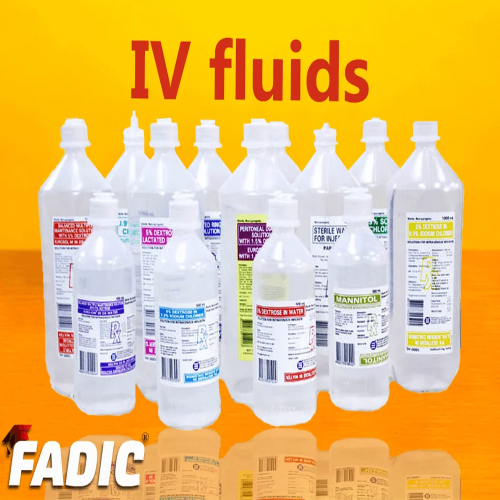


Isotonic Iv Fluids, Packaging Size: 1000 ml
By: Diskport
₹13.00
₹20
35% OFF
Unit: Bottle | Pack: 1 Piece
Description
More Info
Intravenous (IV) fluids are sterile liquids administered directly into a vein to hydrate, deliver nutrients, or provide medications. They are commonly used in hospitals and emergency settings. IV fluids can be classified based on their composition and purpose. Here's an overview:
Types of IV Fluids 1. Crystalloids
These are solutions of water with dissolved substances like salts, sugars, or electrolytes. Common examples include:
Normal Saline (NS): 0.9% sodium chloride; used for fluid replacement and maintaining electrolyte balance.
Lactated Ringer's (LR): Contains sodium, potassium, calcium, chloride, and lactate; used for burn injuries, surgery, or severe dehydration.
Dextrose Solutions:
D5W: 5% dextrose in water, provides energy.
D5NS: 5% dextrose in normal saline, offers energy and fluid replenishment.
Half-Normal Saline (0.45% NaCl): Used for mild dehydration or in patients requiring less sodium.
2. Colloids
These solutions contain larger molecules like proteins or starches that stay in the bloodstream longer and draw fluid into blood vessels. Examples include:
Albumin: A natural protein used to treat low blood protein levels or severe blood loss.
Hydroxyethyl Starch (HES): A synthetic colloid used for volume expansion.
Gelatin Solutions: Less commonly used, also for volume expansion.
3. Blood and Blood Products
Packed Red Blood Cells (PRBCs): Used for anemia or blood loss.
Plasma: Replaces clotting factors and proteins.
Platelets: Treat low platelet counts.
Whole Blood: Rarely used, for massive blood loss.
4. Parenteral Nutrition
Total Parenteral Nutrition (TPN): Provides all nutrients (carbohydrates, proteins, fats, vitamins, and minerals) intravenously for patients unable to eat.
Partial Parenteral Nutrition (PPN): Supplements oral or enteral nutrition.
Uses of IV Fluids
Rehydration: Treating dehydration caused by diarrhea, vomiting, or excessive sweating.
Electrolyte Balance: Correcting imbalances in sodium, potassium, calcium, etc.
Medication Delivery: Antibiotics, painkillers, or chemotherapy.
Blood Volume Expansion: After trauma, surgery, or significant blood loss.
Nutritional Support: For patients unable to eat or absorb nutrients orally.
Selection of IV Fluids
The choice of IV fluid depends on:
Patient's condition: Dehydration, blood loss, infection, etc.
Electrolyte levels: Sodium, potassium, or other deficiencies.
Specific needs: Energy requirements, acid-base balance, or fluid overload risks.
Risks and Considerations
Overhydration or fluid overload
Electrolyte imbalances
Infection at the IV site
Allergic reactions (rare with colloids)
IV fluids are a critical tool in medical care, tailored to the patient's individual needs for optimal outcomes.
Types of IV Fluids 1. Crystalloids
These are solutions of water with dissolved substances like salts, sugars, or electrolytes. Common examples include:
Normal Saline (NS): 0.9% sodium chloride; used for fluid replacement and maintaining electrolyte balance.
Lactated Ringer's (LR): Contains sodium, potassium, calcium, chloride, and lactate; used for burn injuries, surgery, or severe dehydration.
Dextrose Solutions:
D5W: 5% dextrose in water, provides energy.
D5NS: 5% dextrose in normal saline, offers energy and fluid replenishment.
Half-Normal Saline (0.45% NaCl): Used for mild dehydration or in patients requiring less sodium.
2. Colloids
These solutions contain larger molecules like proteins or starches that stay in the bloodstream longer and draw fluid into blood vessels. Examples include:
Albumin: A natural protein used to treat low blood protein levels or severe blood loss.
Hydroxyethyl Starch (HES): A synthetic colloid used for volume expansion.
Gelatin Solutions: Less commonly used, also for volume expansion.
3. Blood and Blood Products
Packed Red Blood Cells (PRBCs): Used for anemia or blood loss.
Plasma: Replaces clotting factors and proteins.
Platelets: Treat low platelet counts.
Whole Blood: Rarely used, for massive blood loss.
4. Parenteral Nutrition
Total Parenteral Nutrition (TPN): Provides all nutrients (carbohydrates, proteins, fats, vitamins, and minerals) intravenously for patients unable to eat.
Partial Parenteral Nutrition (PPN): Supplements oral or enteral nutrition.
Uses of IV Fluids
Rehydration: Treating dehydration caused by diarrhea, vomiting, or excessive sweating.
Electrolyte Balance: Correcting imbalances in sodium, potassium, calcium, etc.
Medication Delivery: Antibiotics, painkillers, or chemotherapy.
Blood Volume Expansion: After trauma, surgery, or significant blood loss.
Nutritional Support: For patients unable to eat or absorb nutrients orally.
Selection of IV Fluids
The choice of IV fluid depends on:
Patient's condition: Dehydration, blood loss, infection, etc.
Electrolyte levels: Sodium, potassium, or other deficiencies.
Specific needs: Energy requirements, acid-base balance, or fluid overload risks.
Risks and Considerations
Overhydration or fluid overload
Electrolyte imbalances
Infection at the IV site
Allergic reactions (rare with colloids)
IV fluids are a critical tool in medical care, tailored to the patient's individual needs for optimal outcomes.
No info available.
Code: NHPM852
You might also like

NIVEA Crème Care 250ml Body Wash| Shower Gel For Soft Skin| Elements and unique scent of Nivea Crème|Clean, Healthy & Moisturized Skin
₹165

Cipladine 5% Solution
₹120

Pepsodent Germ Protection 200g Clove & Salt Toothpaste
₹89

LABSPOR DS TABLETS
₹130

KETOSCALP CREAM
₹13

USTRAA Hair Cream for Men - 100g - For Daily Use with Light Hold- Style & nourishment | Wheat Germ Oil | Wild Flax Seed Extracts | Moisturizes Hair | Non-sticky, Sulphate & Paraben FREE
₹168